Designing an Inclusive Kitchen: Catering to the Majority with Mindful Choices
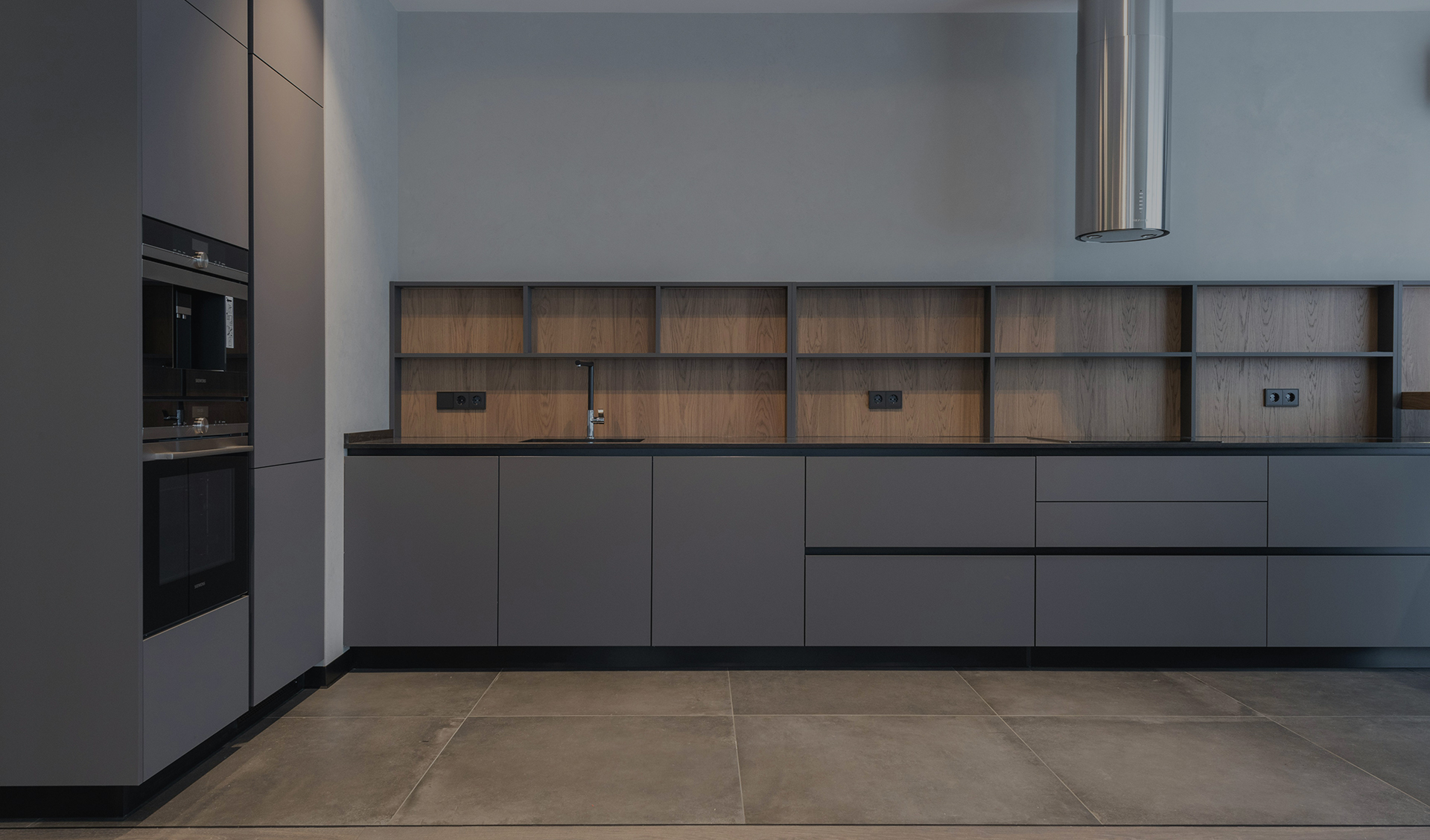
In the heart of every home, the kitchen stands as a vibrant hub of activity, creativity, and togetherness. It’s a space where meals are prepared, memories are made, and sometimes, it’s where
the day’s most important decisions are discussed. However, the true essence of a kitchen lies in its ability to cater to the needs of its users – making kitchen design an exercise in empathy, inclusivity,
and thoughtful consideration. This blog explores the paramount importance of designing a kitchen with the majority of users in mind, ensuring that it is not only functional and efficient but also welcoming and accessible to all.
The Foundation of Inclusive Design
Inclusive design in kitchen planning means creating a space that accommodates a wide range of users, including children, the elderly, and those with mobility or sensory impairments. This approach
not only enhances the usability of the kitchen for family members and guests alike but also ensures that the kitchen can adapt to the evolving needs of its users over time.
Understanding User Needs
The first step in designing an inclusive kitchen is to understand the diversity of needs among its users. This includes considering factors such as height, mobility, strength, and sensory perception. By
acknowledging these varied requirements, designers and homeowners can create spaces that are truly user-friendly.
Key Elements of an Inclusive Kitchen Design
Adjustable and Varied Counter Heights : Incorporating counters of different heights allows children to participate in kitchen activities, provides seated workspaces for users with mobility issues, and
offers comfortable spaces for both short and tall users to prepare food.
Accessible Storage Solutions : Utilizing pull-out drawers, lazy Susans in corner cabinets, and pulldown shelving systems can make items more accessible to everyone, reducing the need for stretching or bending.
Safe and Non-Slip Flooring : Choosing flooring materials that minimize the risk of slips and falls is crucial, especially in a space where spills are common. Textured tiles or slip-resistant vinyl can be
both practical and stylish choices.
Adequate Lighting and Visibility : Good lighting is essential for safety and ease of use in the kitchen. This includes natural light, task lighting under cabinets, and ambient lighting to ensure that all areas
of the kitchen are well-lit.
Easy-to-Use Hardware and Appliances : Selecting appliances with intuitive controls and hardware that is easy to grasp can make a significant difference for users with limited dexterity or strength.
Clear Paths and Spacious Layout : Ensuring there is ample room for movement, with wide pathways and a layout that accommodates wheelchairs or walkers, is key to creating an inclusive space.
The Benefits of Thinking Broadly
Designing with the majority in mind doesn’t mean sacrificing personal style or the latest trends. Instead, it means creating a kitchen that is as beautiful as it is functional, ensuring that every design choice enhances the usability of the space. The benefits of such an approach are manifold:
Increased Safety : An inclusive kitchen minimizes the risks of accidents and injuries, making the kitchen a safer space for everyone.
Enhanced Comfort and Efficiency : When a kitchen meets the needs of its users, cooking and cleaning become more enjoyable and less of a chore.
Future-Proofing : As families grow and change, an inclusive kitchen can adapt to new circumstances, whether it’s the arrival of a new child or the need to accommodate aging relatives.
Higher Home Value : Homes with inclusive, well-designed kitchens often appeal to a broader range of buyers, potentially increasing the home’s resale value.
Conclusion : A Call for Mindful Design
In the end, designing a kitchen with the majority of users in mind is about creating a space that embraces diversity, promotes accessibility, and celebrates the unique ways we come together in the heart of our homes. It’s a testament to the idea that the best designs are those that consider everyone, making daily life not just manageable but enjoyable for all. As we move forward, let’s commit to making inclusive design not just a choice but a standard for the spaces we create and inhabit.